
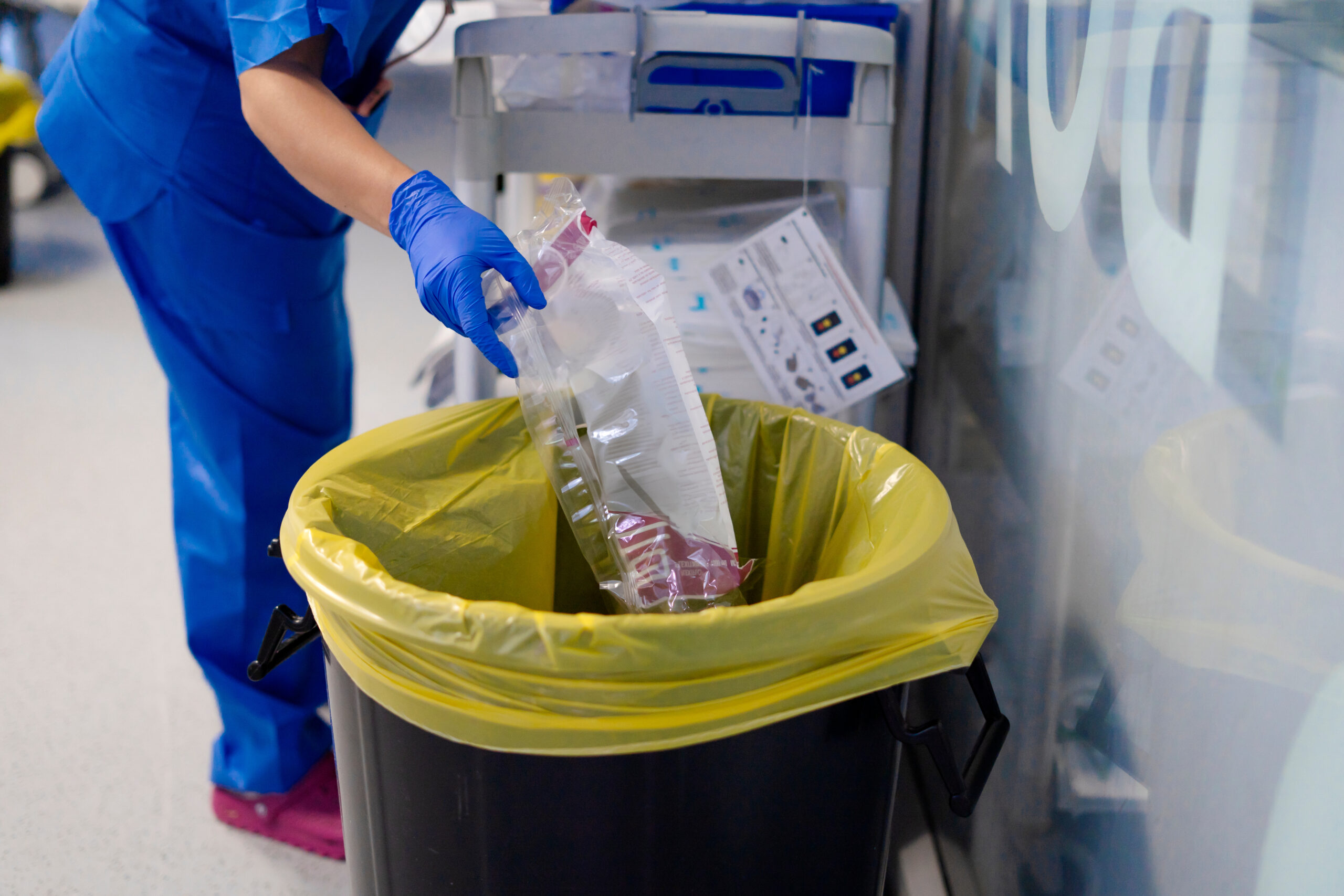
Biomedical waste might not be the most glamorous topic, but it’s one of the most important. Behind every lab, clinic, and healthcare facility is a system that keeps people safe and the environment protected. Creating a biomedical waste operating plan isn’t just about following regulations, it’s about building trust, preventing hazards, and ensuring smooth operations. Here’s how to create one that works for your organization.
Step One: Know the Rules of the Game
Every state and region has its own regulations for biomedical waste management. Before you write anything down, gather the guidelines that apply to your facility. Think of this as setting the ground rules before starting the game. A strong plan starts with knowing exactly what’s required to win.
Step Two: Identify Your Waste Streams
Not all biomedical waste is the same. Sorting it properly is essential to compliance and safety. Common categories include:
- Sharps – needles, scalpels, and other items that can puncture skin
- Contaminated materials – gloves, dressings, and disposable gowns
- Pathological waste – human tissues, organs, or body parts
- Pharmaceutical waste – expired or unused medications
- Biohazard waste – materials contaminated with infectious substances
Label containers clearly for each type, much like sorting medications into the right bottles, precision matters.
Step Three: Define Handling and Storage Procedures
This is where your plan becomes real for your team. Clearly outline:
- Who seals and transports containers
- Where storage areas are located
- How long items can remain before disposal
- What to do if there’s a spill or mishandling
The goal is to make the process as clear as a recipe so no one is left guessing.
Step Four: Train Your Team
Even the best plan falls apart without proper training. Build training into your operating plan so employees know:
- How to separate waste correctly
- Where to find and use containers
- What to do in case of an accident or spill
Regular refreshers keep everyone sharp and confident. Applied Innovation even offers online compliance training in HIPAA, OSHA, and waste disposal to ensure your staff stays ready.
Step Five: Establish Disposal and Tracking Systems
Your plan should explain how waste leaves your facility and where it goes. Partner with certified biomedical waste disposal providers who offer documentation such as:
- Waste manifests
- Certificates of destruction
- Tracking records for audits
Applied Innovation provides scheduled medical waste services for sharps, pharmaceuticals, dental, and biohazard materials, all handled in compliance with state and federal regulations.
Step Six: Keep It Updated
A biomedical waste operating plan isn’t one-and-done. Regulations evolve, facilities expand, and new equipment arrives. Review your plan regularly and update it as needed. Treat it as a living document that grows with your organization.
Applied Innovation can help with automated compliance documentation and workflow tools, making it easier to keep your operating plan accurate and up to date.
Why This Matters
A strong biomedical waste operating plan is more than compliance paperwork:
- It creates a safer workplace
- Protects your community
- Demonstrates responsible operations
- Reduces stress during inspections and audits
At Applied Innovation, we believe every system can be smarter, safer, and easier to manage. Creating a biomedical waste operating plan is no different. With the right structure and support, you can turn a regulatory requirement into a framework that protects your team, patients, and mission.
Applied Innovation helps healthcare organizations stay compliant and stress-free with secure, cost-effective medical waste solutions.
Let’s talk about how we can simplify your biomedical waste management.