
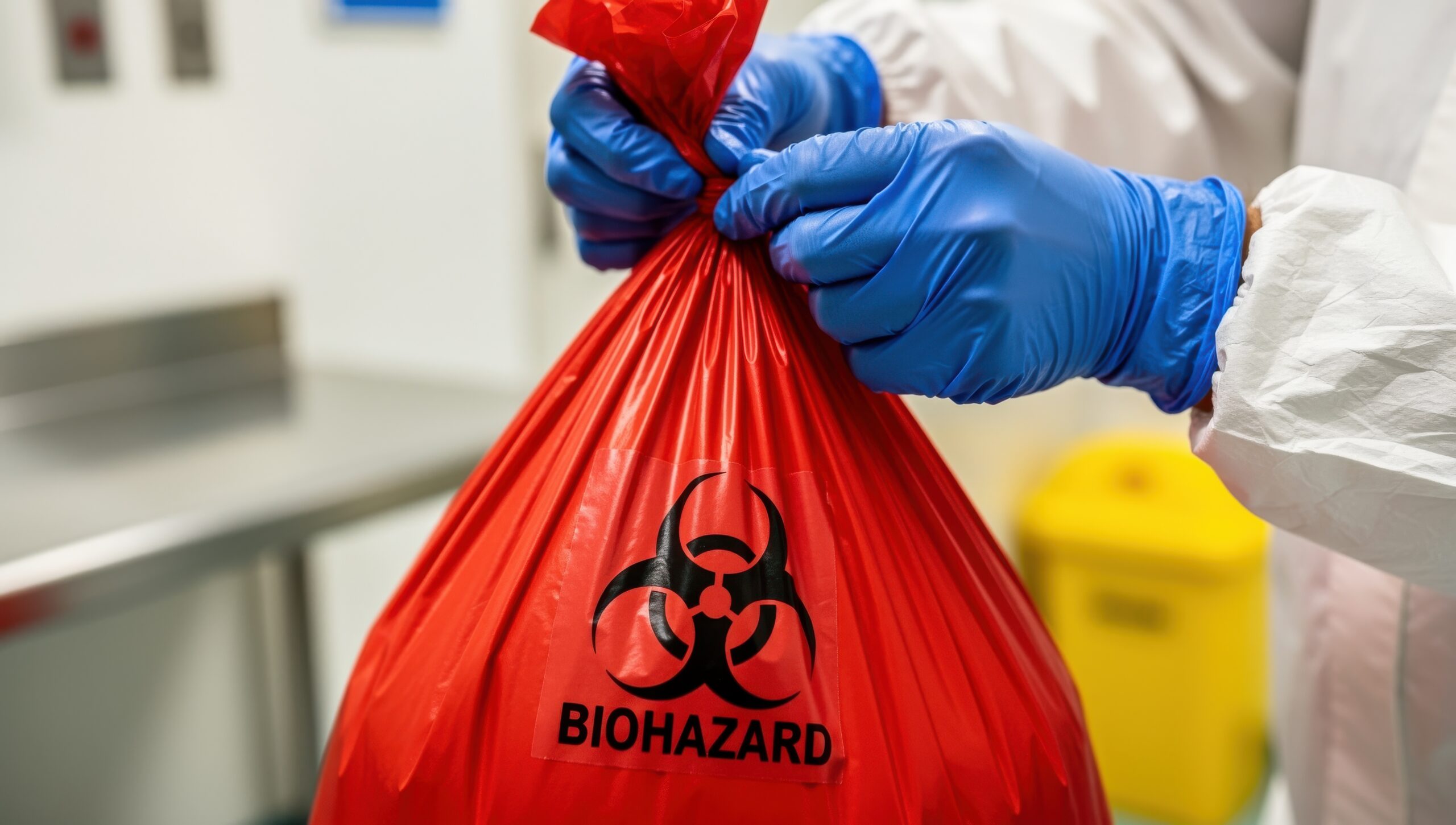
Most people never think twice about what happens after a used syringe is tossed into a container or a blood-soaked bandage leaves an exam room. Out of sight, out of mind, right?
Not quite.
Biomedical waste disposal is one of those behind-the-scenes processes that keeps healthcare facilities, dental offices, veterinary clinics, and laboratories operating safely every single day. When it’s handled correctly, no one notices. When it isn’t, it can create serious safety risks, regulatory headaches, and expensive consequences.
The good news? Managing biomedical waste doesn’t have to be complicated when you have the right partner by your side.
So, What Exactly Is Biomedical Waste?
Biomedical waste is any waste that could pose a risk to people or the environment because it contains potentially infectious materials. It’s generated anywhere medical care, research, or testing takes place.
Think of it as the category of waste that deserves a little extra attention.
This includes items that have been exposed to blood, bodily fluids, or other potentially infectious materials. It also includes medical supplies and laboratory materials that can’t be placed in the regular trash.
If there’s any question about whether something could expose another person to harmful pathogens, it likely belongs in a biomedical waste stream.
What Counts as Biomedical Waste?
Not every item in a healthcare facility belongs in a red bag. Understanding what qualifies can help reduce unnecessary disposal costs while keeping everyone safe.
Common examples include:
- Used needles and syringes
- Blood-soaked gauze and bandages
- Surgical gloves contaminated with bodily fluids
- Culture dishes and laboratory specimens
- Pathology waste
- Sharps containers
- Certain pharmaceutical waste, depending on federal and state regulations
Each category requires proper handling, storage, transportation, and disposal according to federal, state, and local requirements.
Why Proper Disposal Matters
Biomedical waste is about much more than keeping things tidy.
Every year, healthcare facilities generate millions of tons of medical waste, making proper segregation and disposal essential for protecting healthcare workers, patients, and the communities they serve.
Improper disposal can expose employees, patients, waste handlers, and the public to infectious diseases. It can also lead to regulatory violations, fines, damaged reputations, and unnecessary legal risks.
It only takes one improperly disposed needle or contaminated item to create a much bigger safety and compliance issue.
Proper biomedical waste management protects everyone involved while demonstrating your commitment to safety and responsible operations.
Biomedical Waste Compliance Isn't Something to Guess About
Healthcare regulations continue to evolve, and staying compliant requires more than simply placing waste into the correct container.
Facilities must follow strict guidelines for:
- Proper segregation
- Safe storage
- Collection schedules
- Transportation
- Treatment and final disposal
- Documentation and recordkeeping
Missing even one step can create compliance issues during an inspection.
That’s why many organizations choose to work with experienced medical waste professionals who understand the regulations and help remove the guesswork.
How Applied Innovation Helps
Managing biomedical waste should never distract you from your primary mission.
Whether you operate a medical practice, dental office, surgery center, veterinary clinic, or laboratory, Applied Innovation provides dependable biomedical waste disposal and medical waste management solutions designed to fit your workflow.
Our experienced team helps ensure your waste is collected safely, handled responsibly, and disposed of according to applicable regulations. We work with you to create a service schedule that keeps your facility clean, compliant, and ready for whatever the day brings.
No complicated process. No uncertainty. Just reliable service from people who understand what your business needs.
Frequently Asked Questions
What is biomedical waste?
Biomedical waste is any waste that contains potentially infectious materials or poses a risk to people or the environment. It must be handled and disposed of according to federal, state, and local regulations.
Who produces biomedical waste?
Healthcare facilities, dental offices, veterinary clinics, surgery centers, laboratories, and research facilities all generate biomedical waste.
How is biomedical waste disposed of?
Biomedical waste is collected, transported, treated, and disposed of using approved methods that comply with applicable federal, state, and local regulations. Working with an experienced medical waste provider helps ensure the process is safe, compliant, and efficient.
Let's Keep It Simple
Biomedical waste may not be the most glamorous topic, but it’s one of the most important parts of running a safe and compliant healthcare operation.
When waste is handled properly, your staff can work confidently, your patients can feel safe, and your organization can focus on what truly matters.
Ready to simplify biomedical waste management? Talk with our team today to learn how Applied Innovation can help you stay compliant with dependable biomedical waste disposal services that keep your facility protected and your operations running smoothly.