

A short story about a filing cabinet and a very long Tuesday
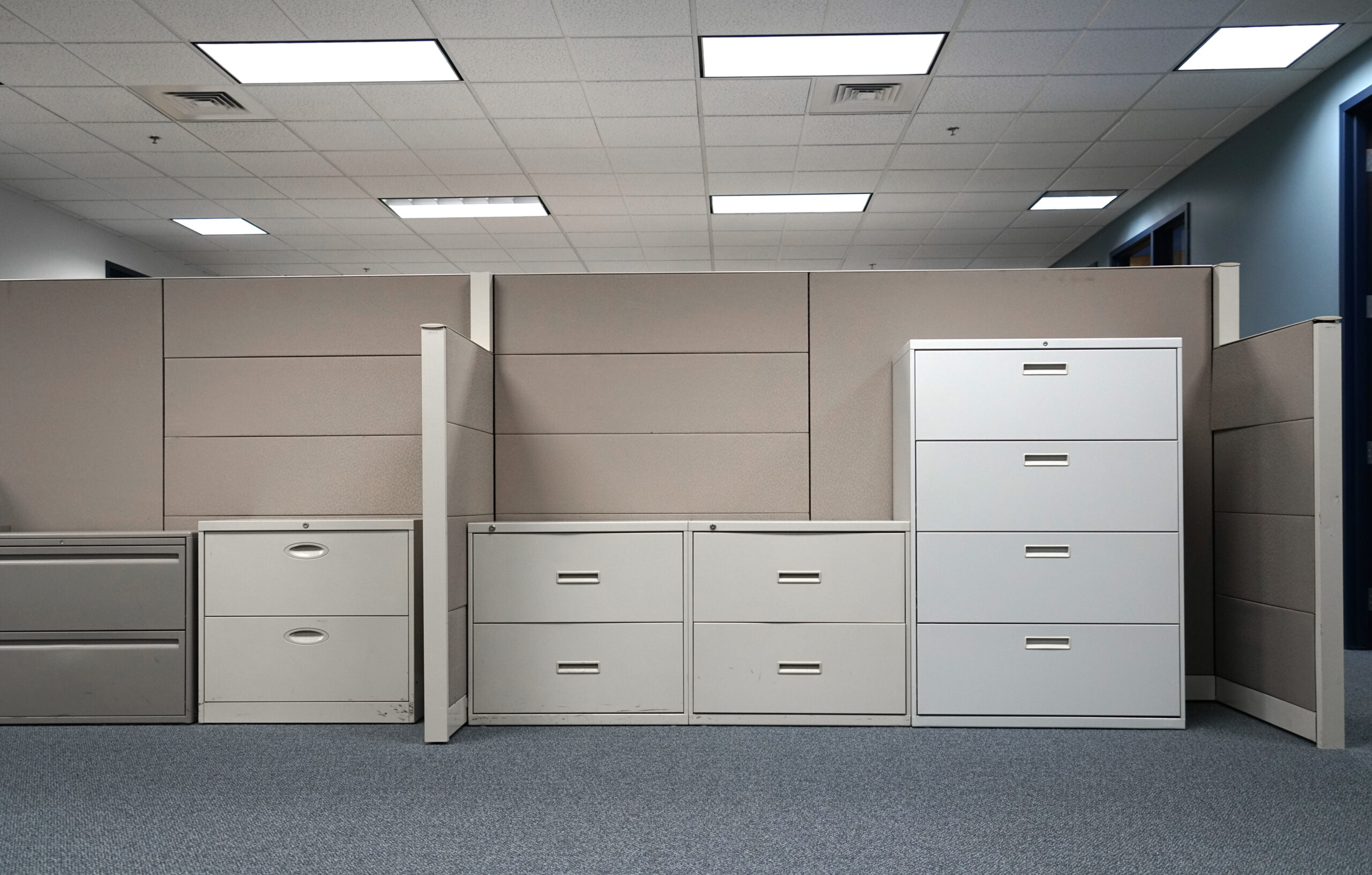
At 8:42 a.m. on a perfectly normal Tuesday, the filing cabinet jammed.
Not in a metaphorical, “this process is broken” way, but in a very real, very physical way. Someone pulled the drawer. Someone else pulled harder. A third person suggested WD-40. And eventually, someone asked the question no one wanted to answer:
“Did we scan this already?”
No one knew. The one person who usually did know was out sick.
That moment is familiar to a lot of small and mid-sized businesses. It’s not dramatic. It’s not a crisis. But it’s often the first sign that paper isn’t just old-school, it’s fragile.
This isn’t a story about going paperless. That ship sailed years ago. This is the 2026 guide to going paper-lite, where paper can still exist, but it no longer runs the show.
What “paper-lite” actually means
Paper-lite doesn’t mean ripping out filing cabinets or forcing your team to relearn how to do their jobs. It means paper stops being the system of record. You still print when it makes sense, but you’re no longer dependent on physical documents to keep the business moving.
Think of it as paper with a digital backup plan, one that’s searchable, secure, and reliable.
In most offices, there are two people who feel the pain of paper the most.
The first is the admin manager: the person who knows where everything should be, spends half their day answering “Where can I find this?”, and quietly worries about audits, turnover, and urgent document requests.
The second is the CFO. They may never touch the filing cabinet, but they absolutely feel the cost of inefficiency, risk, and surprise.
A document digitization strategy has to work for both of them. If it doesn’t, it usually fails quietly, and expensively.
The hidden cost of paper
The real cost of paper isn’t the paper itself. Paper is cheap.
What’s expensive is everything wrapped around it:
- Time wasted searching for documents
- Duplicate files created because no one trusts the original
- Bottlenecks when one person “owns” the process
- Compliance and security risks tied to misplaced or unsecured documents
Those costs rarely show up as a single line item. They hide in five-minute interruptions and long Fridays, until one day something breaks.
Maybe the business grows. Maybe there’s an audit. Maybe someone leaves and takes years of institutional knowledge with them.
Or maybe it’s just a jammed filing cabinet on a Tuesday morning.
That’s usually when businesses decide it’s time to digitize, not because they planned to, but because they have to.
When document digitization actually works
When document digitization is done right, the difference is subtle, but powerful.
Documents are captured once, at the start. Files are named and stored automatically. Access is controlled without being complicated. Audits go from terrifying to inconvenient.
Most importantly, documents stop interrupting work and start supporting it.
Where many SMBs go wrong is assuming that scanning alone solves the problem. Scanned documents dumped into a shared drive just recreate the same mess, only now it’s digital.
Paper-lite isn’t about where documents live. It’s about how they move:
- Who touches them first
- Where they go next
- Who needs access
- How long they’re kept
Answer those questions, and everything else gets easier.
Why paper-lite matters more in 2026
In 2026, expectations are higher.
Audits move faster. Employees expect information to be searchable. Turnover happens. Hybrid work is normal.
Paper-lite isn’t about modernization anymore. It’s about resilience.
The good news? You don’t have to digitize everything to get there.
Most businesses start with:
- Documents people ask for the most
- Files tied to money or compliance
- Processes that fall apart when someone’s out of the office
Small wins build trust. Trust builds adoption. Adoption makes change stick.
What paper-lite looks like in practice
A few months after that filing cabinet jammed, it’s still sitting in the same spot. No one bothered to throw it out.
But no one opens it anymore either, not because they can’t, but because they don’t need to.
That’s what a paper-lite office looks like.
Less chaos. Less risk. More time for what matters.
Ready to go paper-lite?
Let’s talk about how to reduce document chaos and move toward a paper-lite office, without forcing your team to relearn how they work.