
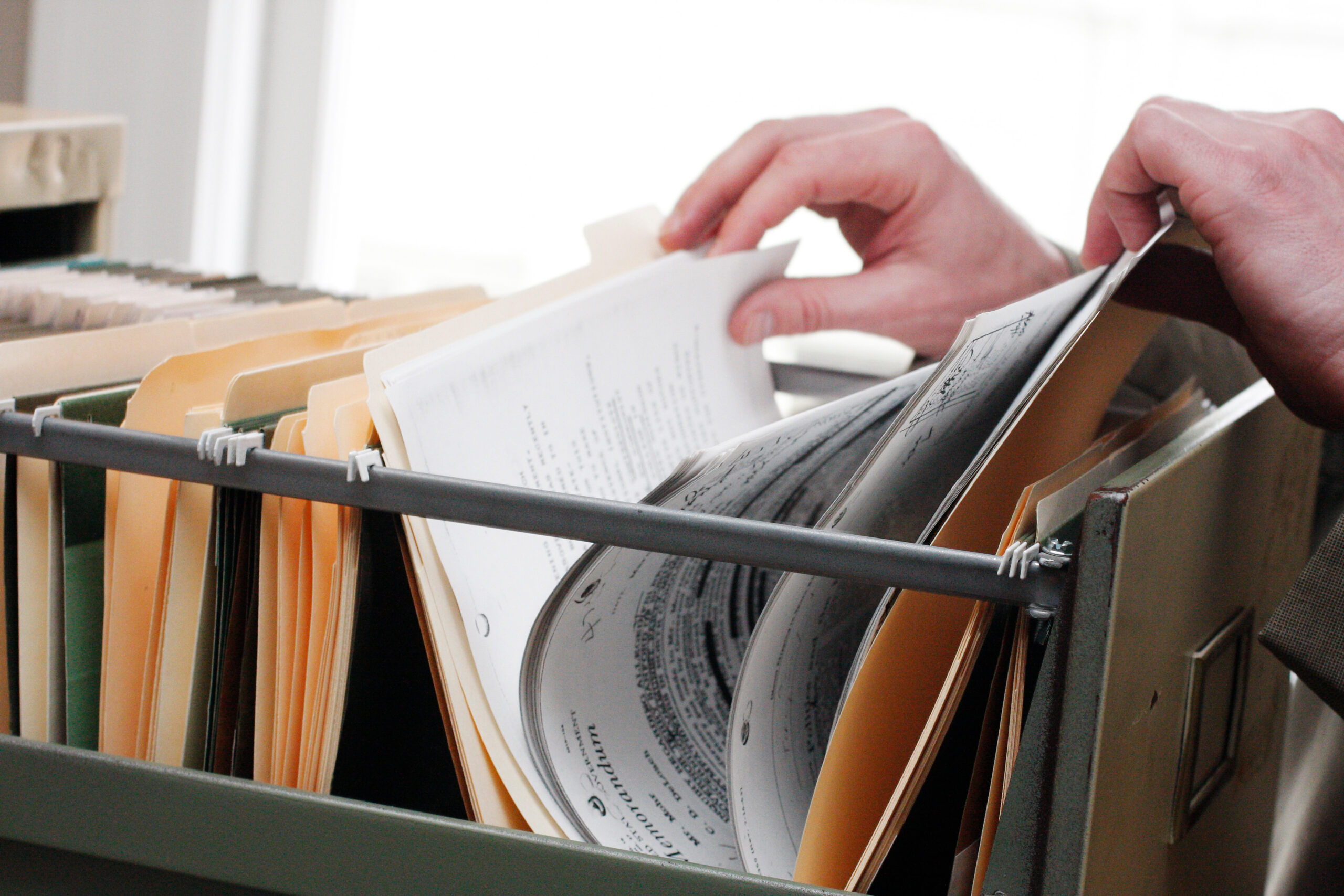
Every organization has that room.
The one with boxes stacked a little too high. Folders labeled with Sharpie. Documents no one has opened in years, but no one feels brave enough to throw away.
Most businesses don’t keep records because they want to. They keep them because they’re afraid of what happens if they don’t.
And honestly? That fear isn’t misplaced.
Records retention matters, not just for compliance, but for risk management, cost control, and peace of mind. The challenge is that over time, retention rules get fuzzy, paper piles up, and no one is quite sure what’s required anymore.
That’s where things start to get risky.
What Is Records Retention?
Records retention refers to how organizations manage documents throughout their lifecycle – from creation and storage to secure destruction. This applies to both paper records and digital documents, and it’s a critical part of any effective records management strategy.
At its core, records retention answers three simple questions:
- What documents do we need to keep?
- How long do we need to keep them?
- What do we do with them when that time is up?
These questions apply whether records live in filing cabinets, offsite storage, shared drives, or a document content management system.
While retention timelines vary by industry and document type, the principle stays the same:
Keep records long enough to meet legal, regulatory, and business requirements, but not longer than necessary.
Keeping too little creates compliance risk. Keeping too much creates security, storage, and liability risk.
Why “Keeping Everything” Isn’t a Safe Strategy
When retention rules feel complicated, many organizations default to one approach:
“Let’s just keep everything.”
On the surface, that feels safe. In reality, it introduces new problems.
Old records still contain sensitive information. They still need to be protected, and they still show up in audits, legal requests, and data breaches.
When records are stored in boxes, file rooms, or offsite warehouses with limited visibility, it becomes difficult to know:
- What you actually have
- Where it’s stored
- Whether it’s still required
Document retention without visibility is guesswork. And guesswork is expensive.
How Backfile Scanning Creates Clarity
This is often where backfile scanning becomes a turning point.
Backfile scanning converts legacy paper records into searchable digital files, making it possible to apply consistent records retention policies across the organization. Instead of managing retention around boxes and cabinets, organizations gain visibility and control.
Once records are scanned:
- You know what exists
- You can find documents quickly
- Access can be restricted appropriately
- Retention schedules can be applied consistently
Most importantly, scanning creates clarity. You can separate records that must be retained from those that no longer serve a legal or business purpose.
Records Retention Includes Secure Destruction
Retention doesn’t end when the retention period expires.
Once records reach the end of their required lifecycle, they must be disposed of securely and defensibly, especially records containing personal, financial, or confidential information.
Holding onto expired records:
- Increases exposure in the event of a data breach
- Expands liability during audits or legal requests
- Drives unnecessary storage and management costs
Secure shredding ensures records are destroyed properly and provides documented proof of destruction, a key requirement in many compliance and audit scenarios.
Records retention isn’t just about keeping information. It’s about knowing when, and how, to let it go.
The Role of Document Content Management
Scanning and shredding address the physical side of records retention. Document content management supports long-term governance.
Once records are digital, they need a system that:
- Organizes documents consistently
- Controls user access
- Applies retention policies automatically
- Tracks activity for audits and compliance
Without document management, digital files often end up scattered across shared drives and inboxes, recreating the same problems, just without the boxes.
With the right system in place, records retention becomes part of everyday operations instead of a once-a-year scramble.
Building a Smarter Records Retention Program
Organizations with mature records management programs don’t rely on memory or manual processes. They build retention into how documents are handled from the start:
- Paper is scanned early
- Records are classified correctly
- Retention rules are applied automatically
- Expired records are securely destroyed
This creates a records retention program that’s repeatable, defensible, and far less stressful.
You don’t have to tackle everything at once. Most organizations start with:
- Records tied to compliance or legal risk
- High-volume paper files
- Frequently requested documents
- Areas where retention requirements are unclear
From there, backfile scanning creates visibility, document management brings control, and shredding closes the loop.
When records retention is done right, teams gain confidence. Audits become manageable. Storage costs decrease. Risk is reduced.
And that room full of boxes?
It finally stops being a question mark.
Learn how backfile scanning, secure shredding, and document content management work together to reduce risk and simplify compliance, and see what that could look like for your organization.