
Paper has a funny way of multiplying when no one is looking. One invoice becomes a stack. A stack becomes a drawer. A drawer becomes an entire filing cabinet that nobody wants to deal with.
For many organizations, the result is years of documents sitting around long after they’ve served their purpose. Some of those documents still contain sensitive information. Some are simply taking up space. And a surprising number fall somewhere in between.
Knowing how long to keep documents and when it’s safe to shred them can make a big difference for both security and organization. The good news? It doesn’t have to be complicated.
Why Document Retention Policies Matter
Holding on to every piece of paper might seem like the safest option, but it can actually create more risk over time.
Old financial records, employee information, and customer data often contain details that should never end up in the wrong hands. If those documents sit in storage for years without clear retention guidelines, they become a liability rather than a resource.
On the other hand, shredding something too early can create headaches if you suddenly need that information for taxes, audits, or legal questions.
The key is finding the balance between responsible recordkeeping and smart document disposal.
Documents You Can Shred Right Away
Some documents only serve a short-term purpose. Once they are used, holding on to them offers little value and can introduce unnecessary risk.
These are often safe to shred after they have been processed or reviewed:
- Credit card receipts once transactions have cleared
- Internal drafts or duplicate documents
- Outdated reports or working notes
- Shipping labels or packing slips with sensitive information
- Temporary sign-in sheets that contain personal details
A good rule of thumb is simple: if a document contains personal or financial information and no longer serves a clear purpose, it shouldn’t live in a desk drawer forever.
How Long Should You Keep Business Documents?
Other records deserve a longer stay in your files. These documents may be needed for reference, budgeting, or tax documentation down the road.
Common examples include:
- Utility bills and monthly statements
- Bank statements
- Vendor invoices and payment records
- Service contracts after they have expired
Many organizations keep these documents for three to seven years, depending on internal policies and regulatory requirements.
Keeping them organized and clearly dated helps ensure they can be located quickly if needed.
Documents You Should Keep Permanently
Some paperwork earns a permanent spot in your records. These documents often relate to legal ownership, tax history, or major financial decisions.
Examples include:
- Tax returns and supporting documents
- Property records and titles
- Major contracts and agreements
- Corporate formation documents
- Audit reports
While many organizations now store these digitally, the key point is that they should be preserved rather than shredded.
Many businesses also choose to digitize long-term records with scanning and document workflow solutions so information stays secure while remaining easy to access.
Why Secure Document Shredding Matters
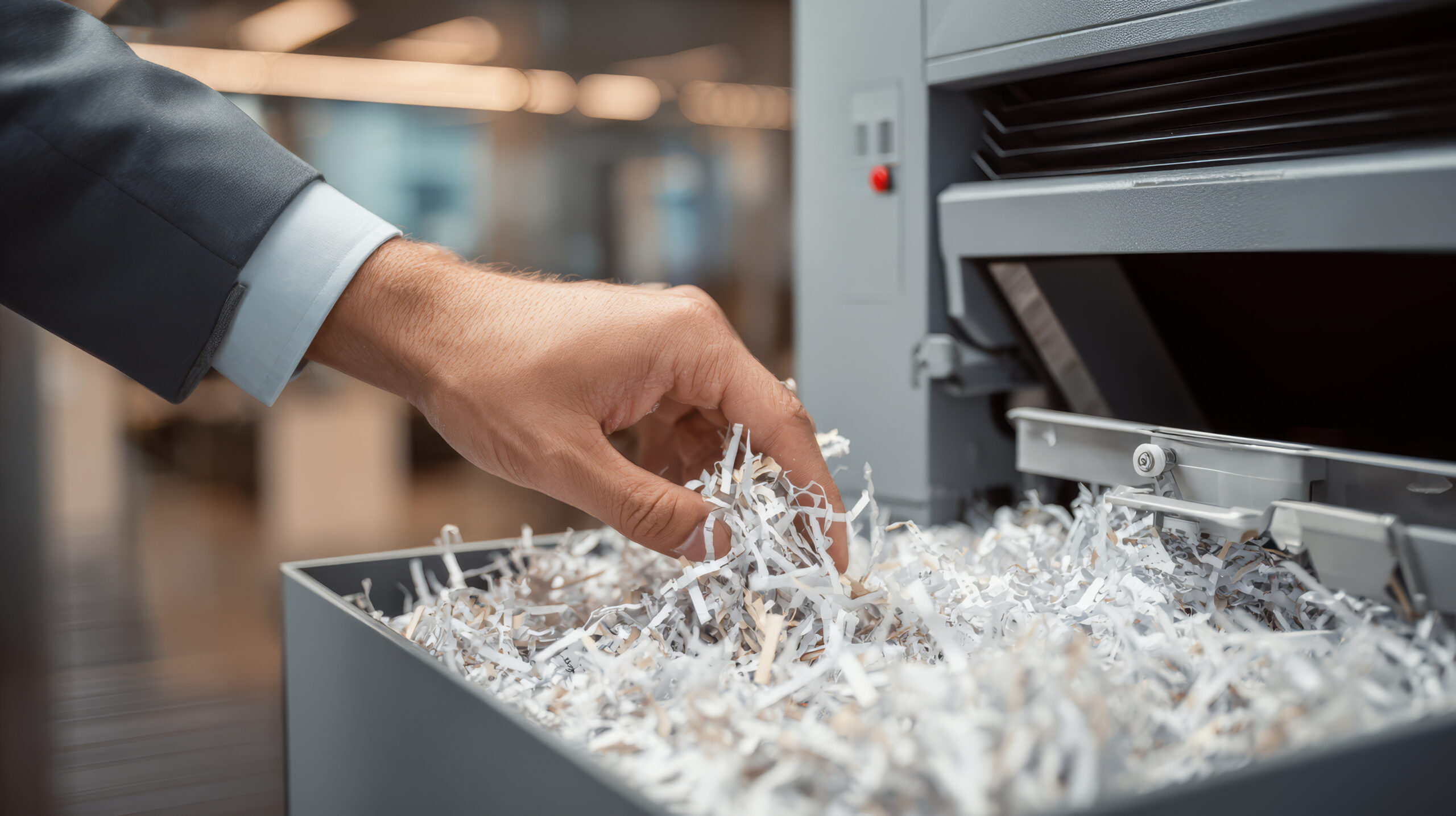
When it’s time to dispose of documents, the method matters. Tossing papers into a recycling bin or trash container doesn’t provide any real protection for sensitive information.
Secure shredding ensures documents are destroyed in a way that prevents reconstruction. For businesses, schools, and healthcare organizations, this step is essential for protecting personal data and maintaining compliance with privacy standards.
Applied Innovation provides secure shredding services that safely destroy sensitive documents while helping organizations stay compliant with data protection regulations.
It also offers something just as valuable: peace of mind.
Less Clutter, More Control
Document management doesn’t have to feel overwhelming. A simple retention mindset can keep paper from piling up and reduce the risk that sensitive information lingers longer than it should.
Keep what matters. Shred what no longer serves a purpose.
With a clear approach to document retention and secure shredding, organizations gain something every workplace could use a little more of: space, simplicity, and confidence that their information is handled responsibly.
If outdated paperwork is piling up, secure shredding can help you clear space and protect sensitive information at the same time.
Applied Innovation offers secure shredding, scanning services, and document workflow solutions to help businesses manage information more efficiently and securely.
Let’s talk about how we can make document management simpler for your team.
Frequently Asked Questions
Most financial records should be kept for three to seven years, depending on tax regulations, company policies, and industry requirements. Keeping organized records during this period helps businesses respond quickly to audits or financial reviews.
Any document containing personal, financial, or confidential information should be securely shredded once it’s no longer needed. This includes employee records, customer information, bank statements, and outdated financial reports.
No. Throwing documents in the trash or recycling bin does not protect sensitive information. Secure shredding destroys documents so they cannot be reconstructed or accessed by unauthorized individuals.
Yes. A clear document retention policy helps organizations determine how long to keep records and when to securely dispose of them, reducing legal risk and protecting sensitive data.